Baduanjin for Beginners: The 800-Year-Old 8-Minute Routine, Explained Simply
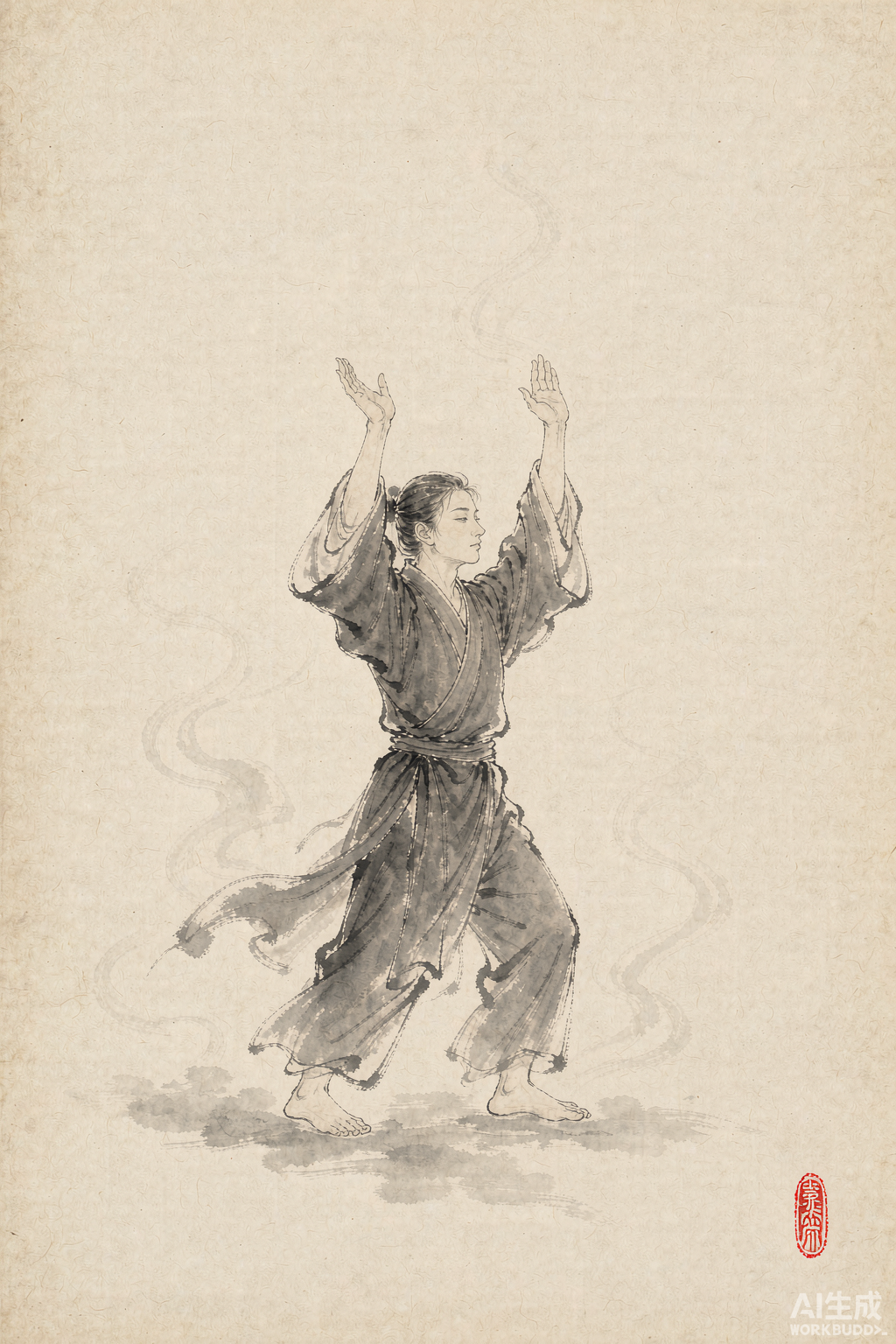
If you've ever wished for a morning routine that doesn't require yoga pants, a gym membership, or waking up at 5 a.m., meet the Baduanjin — literally "Eight Pieces of Brocade." It's a sequence of eight slow movements paired with deep breathing, practiced in China for roughly 800 years, and it takes about as long as scrolling your news feed.
This guide explains what it is, why it's suddenly showing up everywhere from wellness blogs to physical therapy waiting rooms, and exactly how a complete beginner can start tonight.
What exactly is Baduanjin?
Baduanjin (八段锦, pronounced "bah-dwen-jin") is one of the most practiced forms of qigong — a traditional Chinese movement practice built on a simple idea: slow, flowing movement combined with long, relaxed breathing helps the body release tension and the mind settle down.
Unlike yoga, there are no poses to hold and no flexibility to build up first. Unlike stretching, you're not forcing muscles longer — you're moving joints through gentle ranges while the breath slows everything down. The eight "pieces" each have a poetic name that has survived eight centuries: two hands hold up the heavens, drawing the bow to shoot the hawk, and so on.
Why beginners stick with it (when they quit the gym)
- It's genuinely easy. Every movement is slower than everyday life. If you can stand up and breathe, you can start.
- It's short. The full sequence takes 8–12 minutes. A single piece takes one.
- No equipment, no floor, no sweat. It can be done in work clothes, beside a desk, or in a hotel room.
- The barrier is attention, not athleticism. The practice rewards doing less, more slowly — the opposite of most fitness culture.
The eight pieces at a glance
- The Sky Lift — both palms press upward, lengthening the whole spine.
- Drawing the Bow — one arm pushes, one pulls, opening the chest and shoulders.
- The Gentle Look Back — a slow head turn that unknots a screen-stiffened neck.
- Honey Circles — a slow sway that loosens the lower back.
- The Slow Punch — fierce eyes, soft fists; the traditional "release valve" for frustration.
- Reaching for the Feet — a gentle forward fold that smooths the entire back line.
- The Rising Breath — hands float up and sink down with the breath; a moving meditation.
- Stillness — standing quietly, which the old masters counted as part of the sequence.
You can download the free one-page printable chart here — it fits above a desk or on a fridge.
How to start tonight (the honest version)
1. Learn the shape, not the rules
Beginners often worry about "correct form." In Baduanjin, correctness mostly means: soft knees, relaxed shoulders, level chin, and a longer exhale than inhale. If those four are true, you're doing it right — even if your version looks clumsy.
2. Follow along before you memorize
Don't study the sequence. Copy a follow-along video. Memorization comes free after a week of repetition; forcing it early just adds tension.
3. Lower the bar, then lower it again
The most common beginner mistake is doing too much. Eight minutes daily beats forty minutes once a week — and missing a day is fine, as long as you don't miss two.
What it feels like after a few weeks
Most regular practitioners describe the same quiet cluster: shoulders that sit lower without being told, a jaw that unclenches on its own, and mornings that start with movement instead of a phone. None of this is dramatic. That's the point — the practice is designed to be almost boringly gentle, which is exactly why it's survivable enough to work.
Is Baduanjin right for you?
It's a wellness practice, not a medical treatment — it doesn't diagnose, treat, or cure anything, and if you have a health condition or injury, check with a doctor first. But as a low-impact, no-equipment, eight-minute daily ritual for people who sit too much and sleep too little, it has survived eight centuries for a reason.
Ready to try the full sequence with guidance? Start with the 8-Minute Reset →